
The South African government’s decision on 28 March 2024 to ban the breeding of lions in captivity for commercial purposes represents a huge change. However, amidst the optimism surrounding this decision, there are also challenges and pitfalls that need to be addressed to ensure a smooth transition.
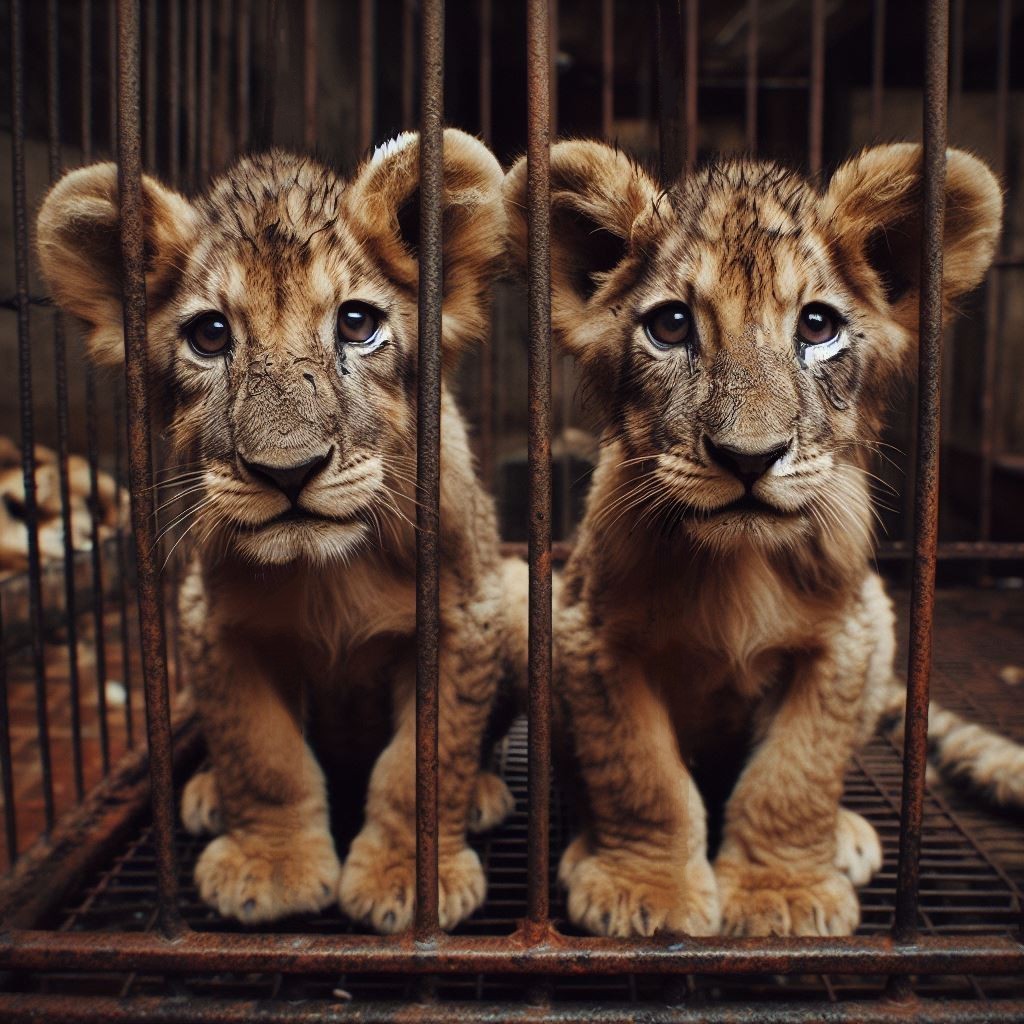
One of the most pressing concerns is the fate of the approximately 10.000 lions currently held in captivity in facilities in South Africa. With the breeding ban in place, questions are being asked about the welfare and future of these animals. They have been bred and raised in captivity and do not have the skills required to survive in the wild. Releasing them into natural habitats is not a viable option and poses a significant risk to both captive-bred lions and wild populations.
Furthermore, the ban on commercial breeding creates a potential crisis for the welfare of these captive-bred lions. It will lead to neglect, abandonment and euthanasia of surplus animals. Ensuring the humane treatment and proper care of these lions is of paramount importance as South Africa moves away from the captive lion industry.
It would be counterproductive for the public image South Africa is so eager to burnish, when even more horrible pictures of neglected and abused lions would pop up on social media.
Another pitfall lies in the economic implications of the breeding ban. The captive lion industry has been a lucrative business, generating significant revenue through activities such as canned hunting, petting farms, and the lion bone trade. Breeders and hunting lobbies will need to be compensated and the South African government does not have that money at hand. If breeders are not being compensated, this will result in a lengthy legal battle with the government, which will only exacerbate the plight of lions in captivity.
In addition, strict enforcement of the breeding ban and regulations for captive wildlife facilities is essential to prevent the continuation of illegal activities and ensure ethical standards are met. This may require increased oversight, monitoring and penalisation of those who break the law.
In terms of the impact on conservation, the end of the lion industry presents both opportunities and challenges. While ending the exploitation of captive-bred lions is an important step towards ethical conservation practices, the welfare and future of the wild population must be carefully monitored to avoid unintended consequences such as an increase in trophy hunting of wild lions.
The adoption of the ban comes hot on the heels of the South African government’s discussion of a new proposal on the consumptive utilisation of wildlife. There are significant ethical, environmental and economic risks associated with the utilisation of wildlife for consumption. There are concerns about the welfare of individual species, the integrity of ecosystems and the long-term sustainability of wildlife populations. Critics also question the assumption that hunting and forms of community utilisation are necessary for conservation and point to alternative approaches that prioritise non-consumptive use, such as ecotourism and habitat protection.
There are also fears that the legalisation of consumptive use could lead to increased poaching, illegal wildlife trade and corruption. The threat to endangered species, whose populations are already in decline due to habitat loss, poaching and other human activities, could be exacerbated.
 Lion Petting.com